
MEP Meaning vs HVAC Meaning: Understanding the Key Differences
What Does MEP Mean?
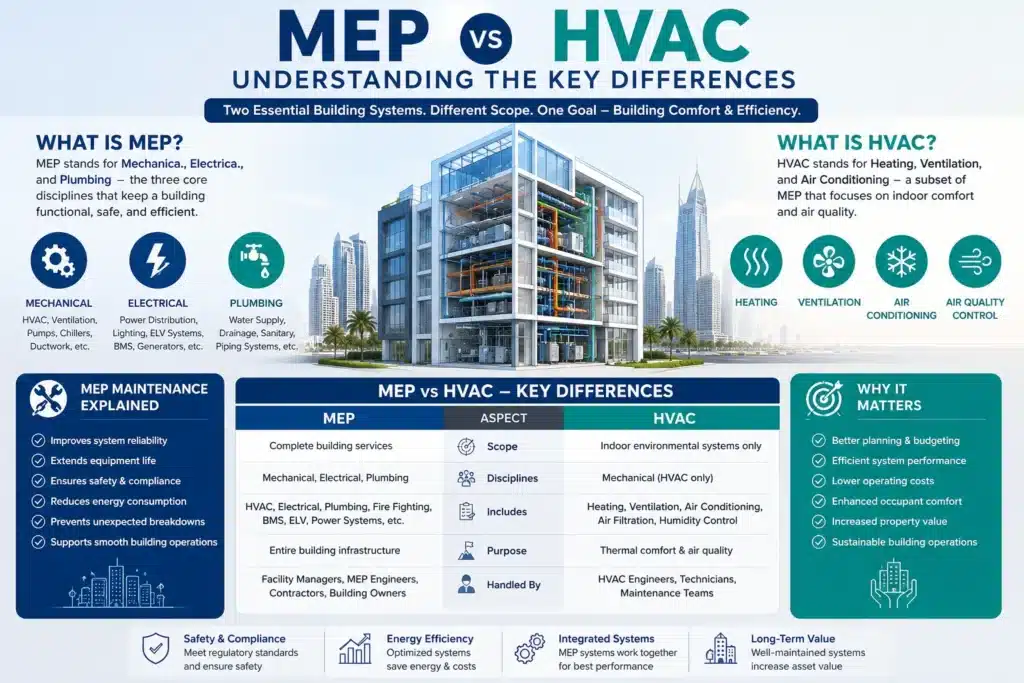
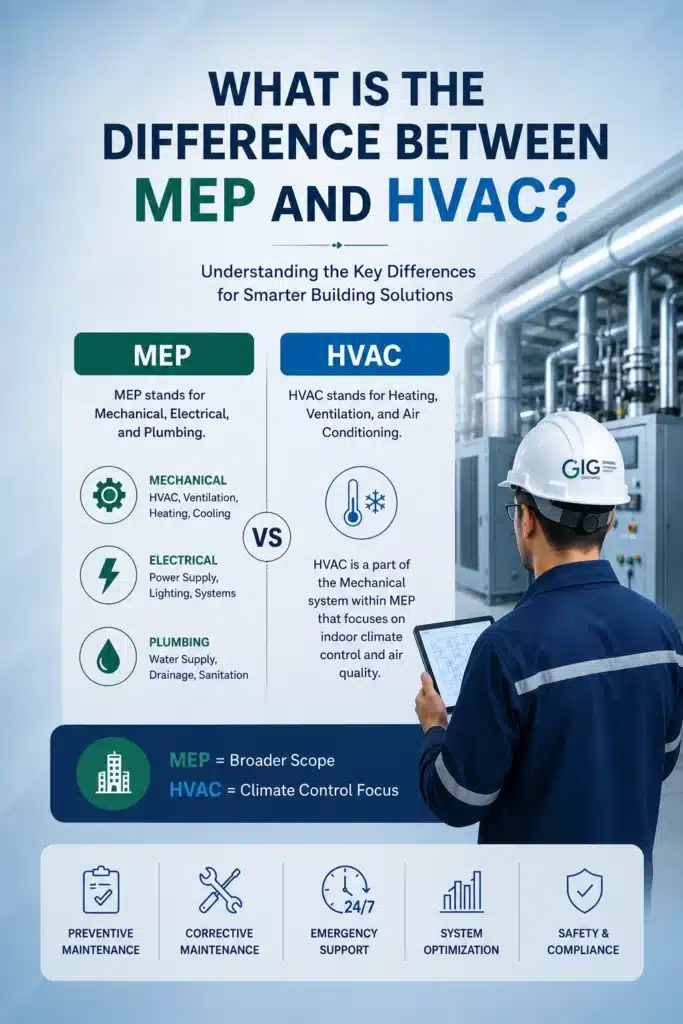
MEP stands for Mechanical, Electrical, and Plumbing, three essential engineering disciplines that work together to ensure a building operates safely, efficiently, and comfortably. In modern construction, MEP systems form the backbone of every residential, commercial, industrial, healthcare, hospitality, and institutional facility.
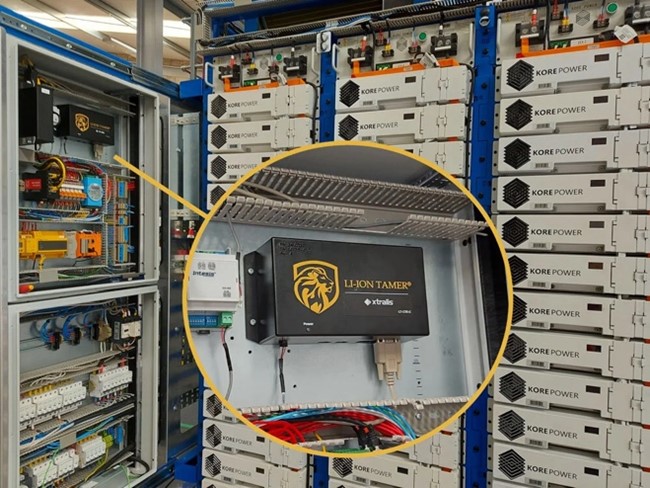
The mechanical component typically includes HVAC systems, ventilation equipment, chillers, pumps, and climate control solutions. The electrical component covers power distribution, lighting, emergency systems, low-current systems, building management systems (BMS), and backup power infrastructure. Plumbing systems include water supply, drainage, wastewater management, and related piping networks.
MEP engineering is responsible for transforming architectural designs into functional buildings. While architecture focuses on appearance and space planning, MEP engineering ensures occupants have electricity, clean water, air conditioning, fire protection, and other critical building services.
In large-scale projects such as office towers, hotels, shopping malls, hospitals, airports, and industrial facilities, MEP systems represent a significant portion of the project’s overall investment. Proper MEP design improves energy efficiency, reduces operational costs, enhances occupant comfort, and ensures compliance with local authority regulations and safety standards.
Today, MEP engineering also plays a major role in sustainability initiatives. Energy-efficient HVAC systems, smart lighting controls, water conservation measures, and intelligent building management systems help organizations reduce environmental impact while lowering operating expenses.
Many people mistakenly believe MEP and HVAC are the same. However, HVAC is only one component within the broader MEP framework. Mechanical systems are part of MEP, but MEP also includes electrical and plumbing infrastructure that support the building’s overall operation.
For building owners, developers, facility managers, and contractors, understanding MEP is essential when planning construction projects, maintenance programs, renovations, and facility management strategies. A properly designed and maintained MEP system increases building reliability, safety, and long-term asset value.
What Is HVAC?
HVAC stands for Heating, Ventilation, and Air Conditioning. It is a specialized engineering discipline focused on maintaining indoor comfort, temperature control, air quality, and ventilation within buildings.
HVAC systems regulate indoor environments by controlling temperature, humidity, airflow, and air cleanliness. These systems are designed to provide comfortable and healthy indoor conditions while maximizing energy efficiency.
Common HVAC equipment includes:
- Chillers
- Air Handling Units (AHUs)
- Fan Coil Units (FCUs)
- Ventilation Fans
- Ductwork Systems
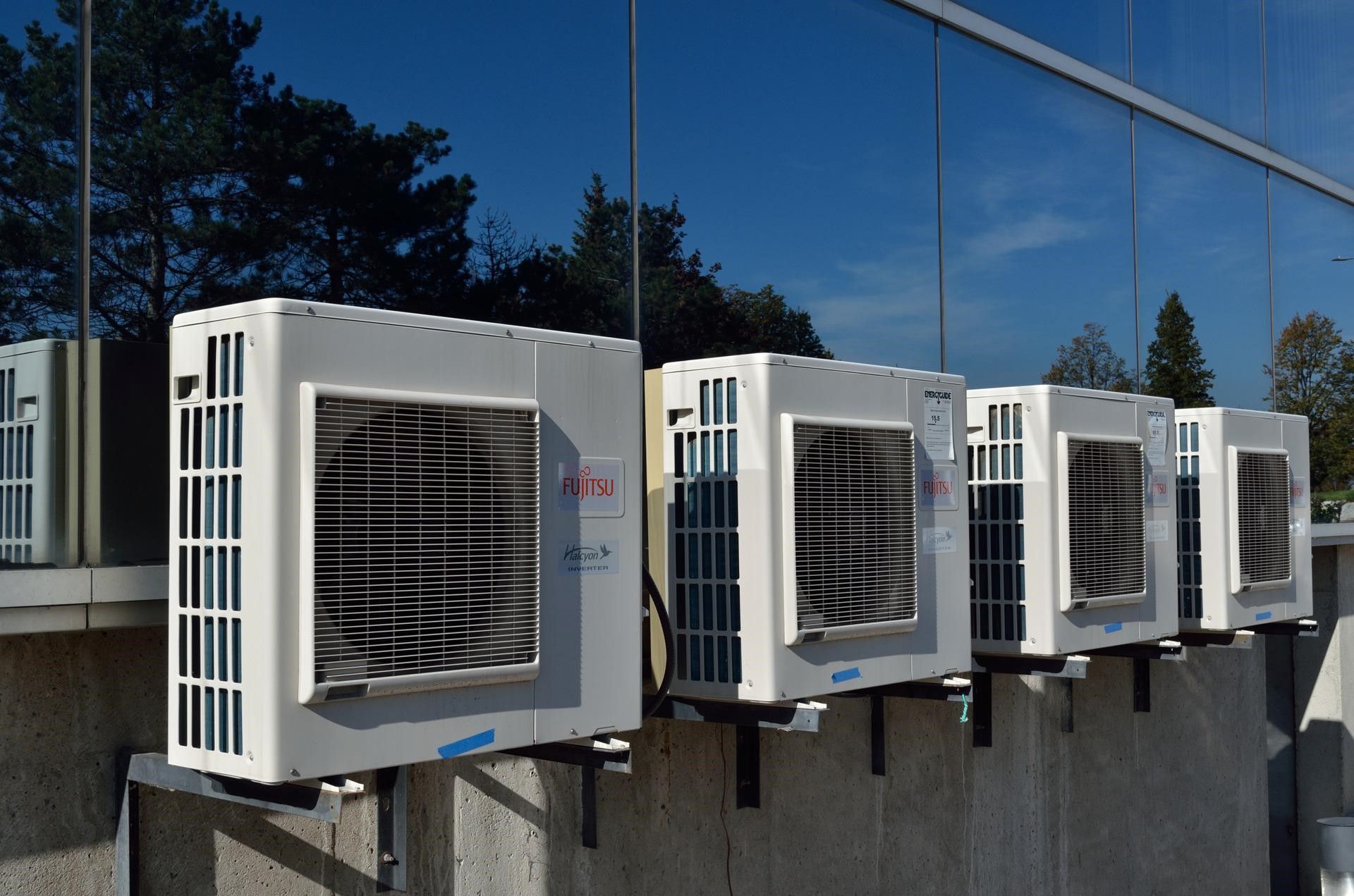
- VRF and VRV Systems
- Split Air Conditioning Units
- Package Units
- Heat Pumps
- Building Automation Controls
In commercial buildings, HVAC systems often account for the largest portion of energy consumption. As a result, proper HVAC design, installation, and maintenance are critical for reducing operating costs and improving building performance.
Ventilation is another important HVAC function. Fresh air circulation helps remove contaminants, odors, carbon dioxide, and airborne pollutants while maintaining healthy indoor air quality. This is particularly important in hospitals, schools, offices, hotels, and public facilities.
Although HVAC is often discussed separately, it is actually part of the Mechanical section of MEP engineering. Therefore, every HVAC system belongs to an MEP system, but not every MEP component belongs to HVAC.
Building owners often invest heavily in HVAC maintenance because equipment such as chillers, air handling units, and ventilation systems directly affect occupant comfort and energy efficiency. Preventive maintenance can significantly extend equipment life while reducing costly breakdowns and operational disruptions.
MEP Maintenance Explained
MEP maintenance refers to the ongoing inspection, servicing, testing, repair, and optimization of a building’s Mechanical, Electrical, and Plumbing systems. Effective MEP maintenance is essential for ensuring safe building operations, maximizing equipment lifespan, minimizing downtime, and reducing long-term operating costs.
Unlike HVAC maintenance, which focuses primarily on air conditioning and ventilation systems, MEP maintenance covers a much broader range of building services.
Mechanical maintenance typically includes:
- Chiller maintenance
- AHU servicing
- FCU inspections
- Pump maintenance
- Ventilation system cleaning
- HVAC performance testing
Electrical maintenance includes:
- Power distribution systems
- Switchgear inspections
- Electrical panels
- Emergency lighting
- Generator maintenance
- UPS systems
- Building management systems
Plumbing maintenance includes:
- Water supply systems
- Drainage networks
- Pumps and tanks
- Water heaters
- Wastewater systems
- Pipe inspections
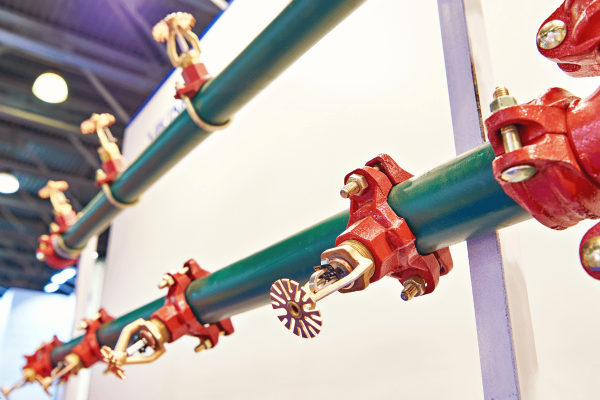
In addition, many MEP maintenance contracts include fire fighting systems, fire alarm systems, access control systems, and other critical infrastructure depending on project requirements.
A proactive MEP maintenance program helps facility managers identify potential issues before they become costly failures. Regular inspections can reveal leaks, electrical faults, inefficient equipment performance, clogged filters, deteriorating components, and safety risks that may otherwise lead to operational disruptions.
For commercial facilities, preventive maintenance is often more cost-effective than reactive repairs. Routine servicing improves equipment reliability, lowers energy consumption, extends asset life, and helps maintain compliance with authority requirements and safety regulations.
In the UAE, MEP maintenance plays a critical role in office buildings, hotels, residential towers, healthcare facilities, industrial plants, and retail developments. High temperatures and demanding operating conditions make regular maintenance particularly important for HVAC systems, electrical infrastructure, and water systems.
Organizations that invest in professional MEP maintenance services benefit from improved operational efficiency, reduced energy costs, increased equipment lifespan, and better occupant comfort. As buildings become more technologically advanced, integrated MEP maintenance strategies are becoming increasingly important for long-term facility performance.
| Feature | MEP | HVAC |
|---|---|---|
| Full Meaning | Mechanical, Electrical & Plumbing | Heating, Ventilation & Air Conditioning |
| Scope | Complete building services engineering | Indoor climate and air quality systems |
| Includes HVAC | Yes | No |
| Includes Electrical Systems | Yes | No |
| Includes Plumbing Systems | Yes | No |
| Includes Power Distribution | Yes | No |
| Includes Water Supply & Drainage | Yes | No |
| Includes Air Conditioning | Yes | Yes |
| Includes Ventilation | Yes | Yes |
| Includes Lighting Systems | Yes | No |
| Includes Building Management Systems | Yes | Limited Integration |
| Maintenance Scope | Mechanical, Electrical & Plumbing infrastructure | HVAC equipment only |
| Primary Objective | Complete building functionality | Occupant comfort and air quality |
| Typical Users | MEP Engineers, Contractors, Facility Managers | HVAC Engineers, Technicians |
| Commercial Building Importance | Critical building backbone | Critical environmental control system |
1. MEP Systems Are Easier to Install Than HVAC Systems
In a typical home, the HVAC system is installed under the floor. This means it’s harder to install because you have to cut holes in your home’s flooring, which can be difficult and time-consuming. In contrast, MEP systems are usually installed above the ceiling.
2. HVAC systems have more parts than MEP systems, so they're harder to repair if something goes wrong with them:
The HVAC system has more parts than an MEP system does. For example, it has a compressor instead of a fan coil unit (FCU). Also, many valves and gauges are involved in maintaining an HVAC system that isn’t necessary for MEP systems. This makes them more complex, so there’s more chance for something to go wrong with them over time or during repairs.

3. MEP Systems Don't Require as Much Maintenance as HVAC Systems Because They Are Simpler in Design:
One of the main differences between MEP and HVAC is the complexity of each system. MEP systems have an advantage over HVAC when it comes to maintenance because they are simpler in design. For example, if a pipe breaks in an MEP system (which can happen), fewer moving parts need repairing than there would be with an HVAC system (which has many more moving parts). Be it MEP maintenance Dubai or HVAC maintenance Dubai, it is highly advised to hire a specialist agency with a panel of highly-experienced engineers.
4. The Equipment Used by Each Trade Is Different:
The equipment that is used by each trade is different. For example, electricians use different tools than plumbers or HVAC technicians do. Electricians use a variety of tools, including meters, electrical boxes, wires, and cables to install an electrical system; while plumbers use pipes, valves, and faucets along with other tools such as joints and adapters to complete their work. Finally, HVAC technicians use cooling coils, fans, pumps, and ductwork among other things but not necessarily all at once.
5. MEP Covers More Than Just Plumbing:
MEP (mechanical, electrical, and plumbing) is a comprehensive design-build process covering all three areas of mechanical, electrical, and plumbing. It is used to design and install systems in new buildings or existing structures.
MEP covers more than just plumbing. It includes mechanical, electrical, and plumbing processes. Mechanical systems include heating, ventilation, air conditioning (HVAC), refrigeration, and domestic hot water distribution. Electrical components include lighting fixtures, motors, pumps, and controls. Plumbing refers to water distribution lines for toilets, showers, and sinks.
MEP is typically used for commercial buildings like office buildings or factories because it allows contractors to design a system that meets the needs of each space within the building. This means that MEP can be more cost-effective than hiring an electrician or plumber separately for each building room.
Key Takeaway
HVAC is a component of MEP engineering. MEP encompasses all building services required for a facility to function effectively, while HVAC focuses specifically on heating, ventilation, air conditioning, and indoor environmental control. Understanding this distinction helps building owners, contractors, and facility managers make informed decisions regarding design, construction, maintenance, and facility management.
Final Thoughts
General International is a leading MEP maintenance Dubai.
General International Group (GIG) provides comprehensive MEP maintenance services in Dubai, covering HVAC systems, electrical infrastructure, plumbing networks, fire & life safety systems, ELV systems, water treatment facilities, and integrated facility maintenance solutions. With over 40 years of engineering experience in the UAE, GIG supports commercial buildings, industrial facilities, residential communities, healthcare facilities, and government projects through preventive maintenance, corrective maintenance, emergency response, and annual maintenance contracts (AMC).
We have been in this industry for decades, and we have been providing the best quality of service to our customers. Our main motive is to provide them with cost-effective, reliable, and efficient services that meet their needs and requirements. So contact us today and get the best services in this field possible!
What does MEP mean?
MEP stands for Mechanical, Electrical, and Plumbing. These engineering disciplines work together to ensure a building operates safely, efficiently, and comfortably. MEP systems include HVAC equipment, electrical power distribution, lighting, water supply, drainage, and fire protection systems.
What is HVAC?
HVAC stands for Heating, Ventilation, and Air Conditioning. It is a mechanical system designed to regulate indoor temperature, humidity, and air quality in residential, commercial, and industrial buildings.
Is HVAC part of MEP?
Yes. HVAC is one of the major components within the Mechanical section of MEP engineering. While HVAC focuses on climate control and ventilation, MEP includes HVAC along with electrical and plumbing systems.
What is the difference between MEP and HVAC?
MEP is a broader engineering discipline that covers Mechanical, Electrical, and Plumbing systems. HVAC is a specialized subsystem within MEP that focuses on heating, cooling, ventilation, and indoor air quality.
What is MEP maintenance?
MEP maintenance involves inspecting, servicing, repairing, and optimizing mechanical, electrical, and plumbing systems to ensure reliable building performance, safety, and energy efficiency.
Why is MEP important in buildings?
MEP systems provide essential building functions such as air conditioning, power supply, lighting, water distribution, drainage, and fire protection. Properly designed MEP systems improve occupant comfort, operational efficiency, and regulatory compliance.
Who provides MEP maintenance services in Dubai?
Professional engineering and facility maintenance companies such as General International Group provide MEP maintenance services in Dubai, including HVAC maintenance, electrical maintenance, plumbing services, and fire & life safety system maintenance.
General International Group (GIG) is a leading MEP service provider in Dubai, delivering comprehensive Mechanical, Electrical, and Plumbing solutions for commercial, industrial, residential, and government facilities across the UAE. With more than four decades of engineering excellence, GIG specializes in MEP maintenance, HVAC services, electrical systems, plumbing infrastructure, fire and life safety solutions, and integrated facility management.
Our experienced engineers and technicians provide preventive maintenance, corrective maintenance, emergency response services, and customized Annual Maintenance Contracts (AMC) designed to maximize equipment reliability, improve energy efficiency, and reduce operational downtime. From HVAC systems and electrical distribution networks to water supply systems and fire protection infrastructure, we ensure that critical building services operate safely and efficiently.
As a trusted MEP contractor in Dubai, General International Group combines technical expertise, industry best practices, and a strong commitment to quality to support building owners, facility managers, developers, and businesses throughout the UAE. Whether maintaining a commercial tower, industrial facility, healthcare center, hospitality venue, or residential community, GIG delivers reliable engineering solutions that help clients achieve long-term performance, compliance, and sustainability goals.
Contact General International Group today to learn more about our professional MEP maintenance services in Dubai and discover how our expert team can support your building’s operational success.
Need professional MEP maintenance services in Dubai? Send your inquiry to info@generalintlgroup.com and our engineering team will respond promptly with expert assistance and tailored solutions.