

Choosing Between Fireproof and Fire-Resistant Insulation
Insulation is critical for fire safety in homes, offices, and industrial spaces. Choosing the proper insulation can significantly impact temperature control, energy efficiency, and safety. This article explains the differences between fireproof and fire-resistant insulation and focuses on why using fire-resistant insulation material is beneficial in most scenarios.
What Is Fireproof Insulation?
Fireproof insulation is designed to withstand direct exposure to flames without igniting or degrading. These materials are commonly used in high-risk areas like industrial facilities, electrical rooms, and research laboratories. However, it’s essential to note that no insulation is 100% fireproof—at extremely high temperatures, even the most durable materials can eventually melt or degrade.
Common Types of Fireproof Insulation:
-Mineral Wool (Rockwool or Slag Wool): Highly resistant to heat and non-combustible, making it an effective barrier against fire.
-Fiberglass Insulation: While not entirely fireproof, it has a slower burn rate than traditional insulations.
-Perlite Boards: These are used in industrial applications to make walls and ceilings fireproof, providing robust protection against flames.
Fireproof insulation is highly effective but is often costly and may not be practical for standard residential or commercial buildings.
- Project Coordinator
Choosing the proper insulation can significantly impact temperature control, energy efficiency, and safety.
What Is Fire-Resistant Insulation?
Fire-resistant insulation materials are designed to slow the spread of flames and reduce heat conduction. Although not entirely fireproof, fire-resistant insulation material offers crucial protection by giving occupants extra time to evacuate in case of a fire. They also help limit property damage by preventing the flames from spreading quickly.
Key Characteristics of Fire-Resistant Insulation:
- Slows Down Fire Spread: Prevents flames from rapidly spreading to other parts of the building.
- Minimizes Heat Transfer: Reduces the risk of adjacent areas catching fire due to heat conduction.
- Produces Less Toxic Smoke: Generates less harmful smoke and gases during a fire.
Fireproof vs. Fire-Resistant Insulation: Understanding the Difference
1. Extreme Heat Performance
- Fireproof Insulation: Can withstand direct flames for a longer time compared to fire-resistant materials.
- Fire-Resistant Insulation: Slows down fire spread but may not endure extremely high temperatures as effectively as fireproof options.
2. Common Uses:
- Fireproof Insulation: Ideal for high-risk environments like chemical plants, power stations, and industrial facilities.
- Fire-Resistant Insulation: Suitable for residential, commercial, and public buildings, providing practical and cost-effective fire safety.
3. Costs:
- Fireproof Insulation: Generally more expensive due to its specialized properties.
- Fire-Resistant Insulation Material: Offers a cost-effective solution, balancing safety and performance.
4. Installation Requirements:
- Fireproof Insulation: Requires specialized skills and is mainly used in industrial applications.
- Fire-Resistant Insulation Material: Easier to install and widely available for residential and commercial use.
Why Choose Fire-Resistant Insulation Material?
- Fire-resistant insulation materials offer an excellent balance between safety, performance, and cost. They enhance building safety in case of a fire without the need for expensive fireproof solutions. Fire-resistant materials often meet building codes and fire safety standards, making them ideal for new construction projects and renovations.
Common Types of Fire-Resistant Insulation Materials:
- Cellulose Insulation: Treated with fire retardants, it is an environmentally friendly option that effectively resists flames.
- Spray Foam Insulation: Offers fire resistance while providing soundproofing and moisture control.
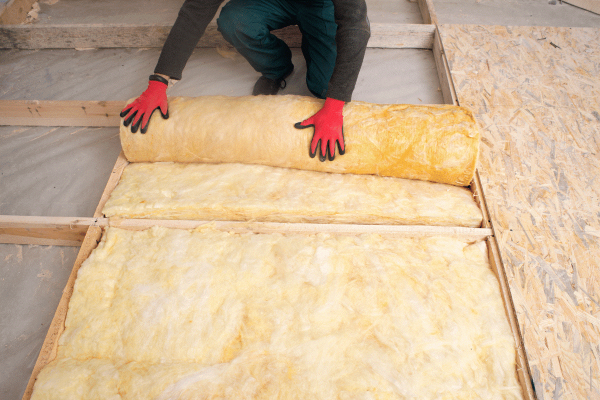
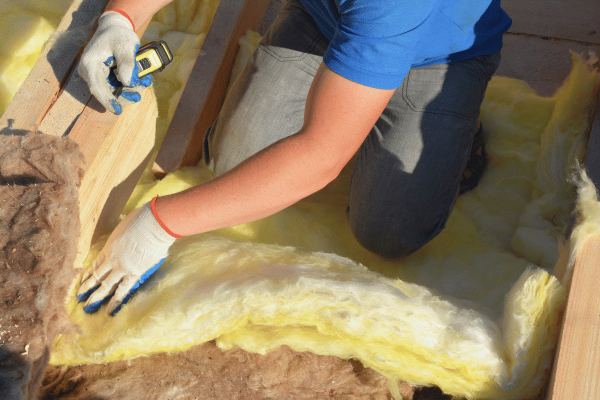
- Fire-Resistant Fiberglass: Commonly used in walls, ceilings, and attics to help slow the spread of fire.
Conclusion
-
For enhanced fire safety, fire-resistant insulation material is an ideal choice for residential, commercial, and public spaces. It effectively slows down the spread of fire, reduces potential damage, and provides valuable time for evacuation.
General International Group is a leading supplier of fire-resistant insulation materials. Contact us today for durable and reliable fireproofing solutions tailored to your needs.